What Is Web3 and What Isn't It?
The digital world evolves every day. Our lives are becoming increasingly digital, to the point where we could say we live most of our lives online.
My newsletter — essays on work, technology, and a few things I love. Published here first.

The digital world evolves every day. Our lives are becoming increasingly digital, to the point where we could say we live most of our lives online.

In our last piece, we talked about what Web3 is. Now let's dive into what's happening inside this Web3 world.

From the start, this newsletter has been about moving from being mere consumers of digital content to becoming its creators, and ultimately, its owners.
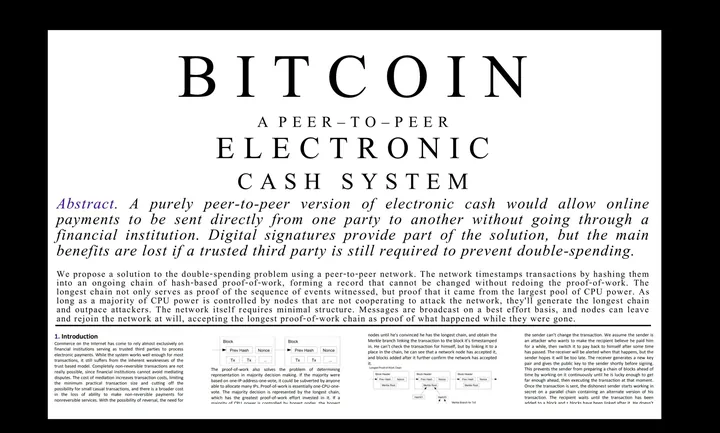
We kicked off our newsletter talking about the world of Web3 and how we got there. Now, let's dive into the core of that world: blockchain and Bitcoin.
Last week, we talked about Bitcoin and the financial conditions it emerged from.
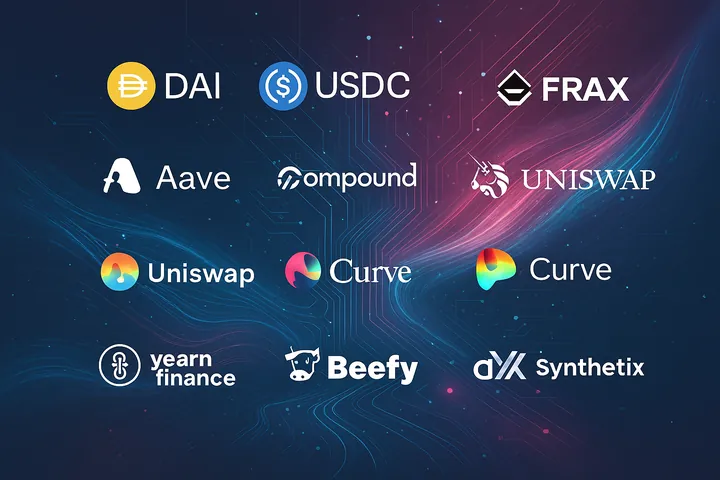
Last week we talked about traditional financial systems and money. Now, let's dive into "DeFi," the blockchain's decentralized alternative to these systems.

Today, I want to talk a bit about "Real World Assets (RWA)."
Last week, we talked about the basics of "Real World Assets" (RWA).

In my last two pieces, I talked about RWAs (Real World Assets), their real-life examples, and their pros and cons.
When new technologies first appear, they're usually known and used by a small, curious circle. At first, most of the world doesn't even notice.
Last week's piece wrapped up with a question: Is it harder for corporations to transition to Web3, or for Web3 to become corporate without losing its essence?

These days, Web3 brings to mind NFTs, tokens, exchanges, and wallets. It spans everything from marketing to business development, event management to community moderation.
When a brand-new technology emerges, there's always an eager crowd: tech enthusiasts, developers, early adopters... But when it comes to the business world...
When we think of Web3, technology often comes to mind: blockchain infrastructure, smart contracts, tokens, wallets... But as I mentioned last week, this new order isn't just about software or tech.
Last week, we looked at how traditional organizational structures are changing in the Web3 world, touching on roles, responsibilities, and accountability.
In the Web3 world, DAOs have been one of the most debated structures in recent years.
We've been talking about DAOs for a few weeks now, exploring how they work, voting with tokens, hybrid decision-making, and examples like Gitcoin and Optimism.
June was all about events, kicking off with Istanbul Fintech Week and rolling into Istanbul Blockchain Week. Both were global, broad in scope and concept...
Since diving a bit into the Web3 world last week, I've shared my personal observations on the events I've attended and their impact.
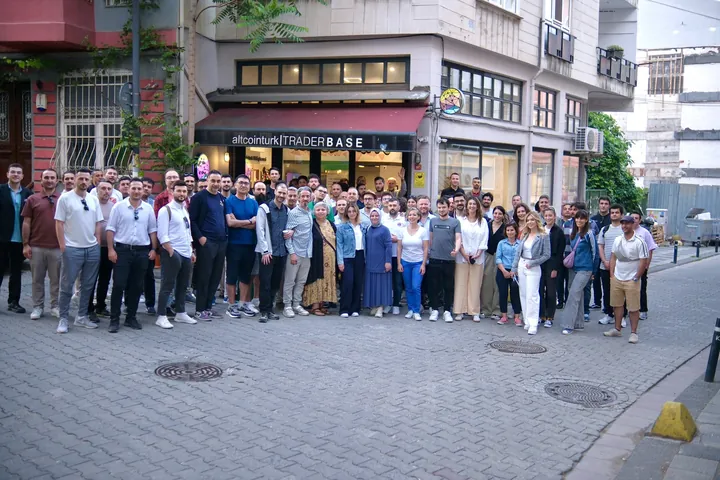
For the past two weeks, I've been writing about events, Web3 event culture, and how it's been shaped by changes in the ecosystem over the years.

Hello to everyone after a short break.
The term "generalist" keeps popping up in business, social media, publications, and communities lately, so I thought I'd explore it a bit today.
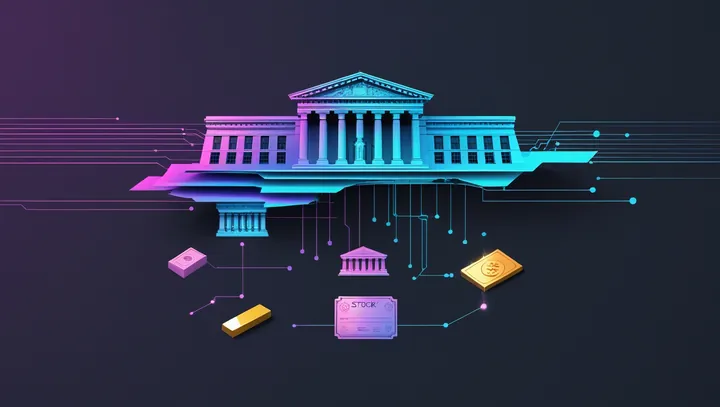
Last week, we talked about a somewhat conceptual topic that's been popping up in the business world and its reflections in the Web3 space. This week, we're focusing on financial products that touch our lives a bit more.

In recent years, "fan engagement" has become a buzzword in sports and entertainment. Thanks to Web3, fans now have new ways to support their favorite teams and artists.
Last week, we touched on the concepts of the "new entertainment economy" and the "new fan engagement model."

Lately, I've been intrigued by something in my social media and news feeds: stablecoins. But it's not just about stablecoins; it's about the infrastructure transformation they're driving.

Last week, we talked about stablecoins.

I've been talking about stablecoins and how they're reshaping the new financial infrastructure. This week, let's look at how this infrastructure is starting to be used in the real world.

In recent weeks, we've discussed the new infrastructure of finance, where stablecoins and blockchain are becoming the backbone not just for money transfers but also for income, credit, and production flows, the cornerstones of traditional finance.
The New Layer of Oversight
In the first season, starting with what Web3 is and isn't, I tried to dive into the depths of the blockchain world. Then I continued by touching on the intersections of today's traditional/corporate business and finance worlds with Web3...

The Unsung Heroes of Web3 Security
What's next after incentives in Web3 security?

Web3/blockchain came onto the scene with a bold claim:

As the year wraps up, I took a moment to look back at what I've written in this newsletter I started in 2025.

Last week, the projects selected for the Mastercard Lighthouse Turkey x EBRD Star Venture program were announced. Unsurprisingly, AI projects dominated the list.
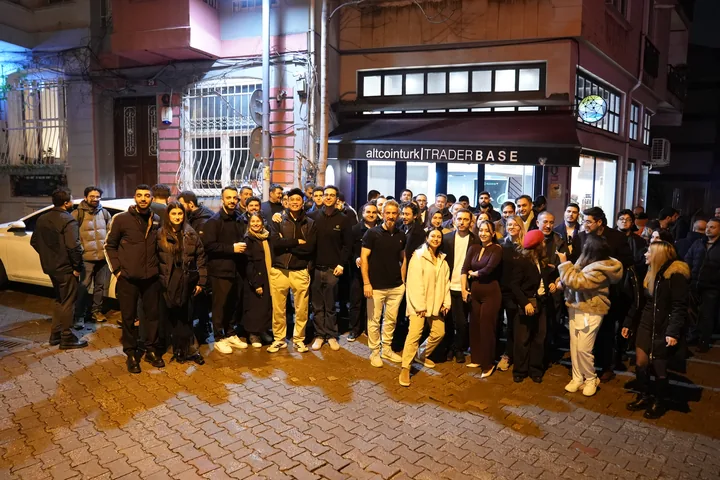
Last week, CryptoFriday participants found themselves at a #CryptoFriday that was a bit different from what they're used to. The reason? The launch of the brand-new digital platform, Paraya.

Last week, every media outlet, social or traditional, was buzzing about the Davos meeting. I might be a bit late to the party, but I still want to write a little about it, maybe even spark a discussion...

Recently, Step Finance, a major DeFi platform on the Solana network, made headlines with a significant security breach.

While planning this week's piece, I found inspiration in a post by Vitalik Buterin on X last week.

Most of us know and follow a16z, a huge investment fund backing early-stage startups, which has been publishing a report on the big ideas for the coming year since 2019.
This week, I want to step outside the usual theme of the newsletter and talk about AI assistants.
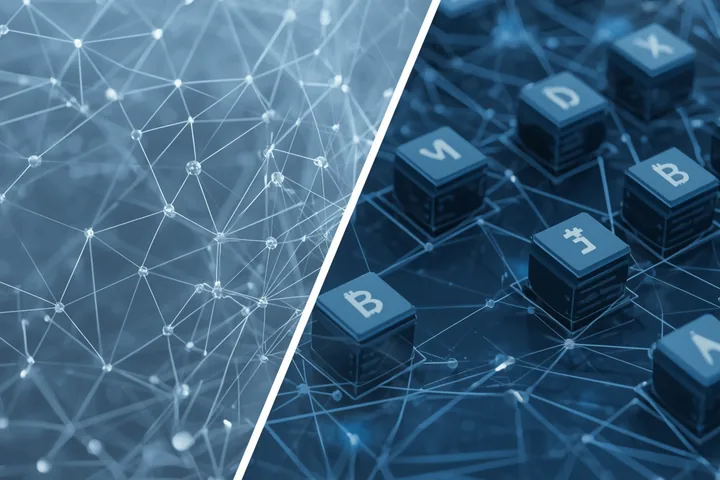
A few weeks ago, I mentioned a16z's "Big Ideas 2026" report, which paints a clear picture of a new financial architecture combining AI decision layers, blockchain execution layers, and tokenization.

On March 17, 2026, the World Economic Forum published an article exploring how tokenization might impact credit growth, especially in emerging markets.
While writing this week's piece, two different posts on X and LinkedIn caught my attention and truly inspired me.

For a year now, I've been trying to both inform about and understand the direction of Web3 and blockchain projects in this newsletter, without focusing too much on prices or markets.

A few months ago, I wrote about the Step Finance case in the newsletter. It was a situation where the security flaw wasn't in the code but in a person, leading to millions being stolen...
Even though we're going through some interesting days at the macroeconomic level, the past few years have been a bit dull for the crypto markets, and they still are.

Lately, the word "agent" seems to be everywhere, conferences, new projects, social media. Everyone's talking "agentic," though I'm not sure there's a perfect Turkish translation.

Lately, the word I hear and read the most is agent. How did this topic become so prominent? Is everyone talking about "Claude," "AI models," or "agents," or is it just my algorithm feeding me these topics?

When it comes to innovative technologies, debates follow, splitting people into those who see breakthroughs and those who see bubbles.

Agents are back, yet again 🕵️
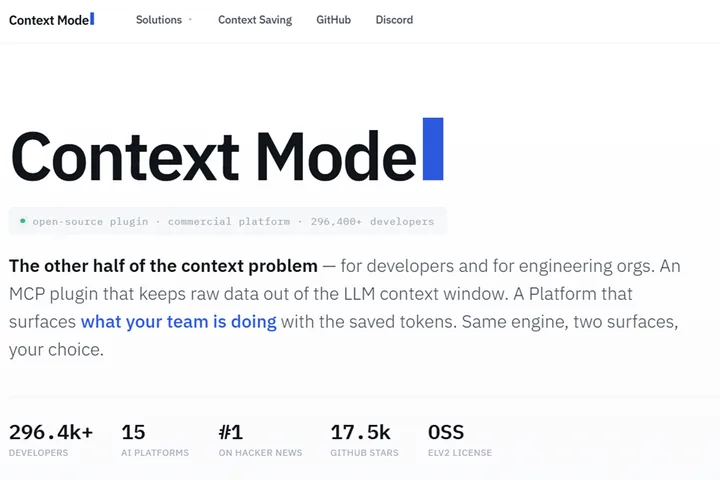
This week, I want to step a bit outside my usual topics. It's not that there's a lack of buzz in the Blockchain/Web3/AI worlds, there definitely is.

Ever since we started talking about quantum computers, or rather, since the topic became serious, there's been concern in the blockchain/Web3 world about their potential impact.

This week, I'm wrapping up Season 3 with the last article before taking a short break from the "Cesur Yeni Dünya" newsletter until Season 4.